Photo: Andrew Nash, CC BY-SA 2.0, via Wikimedia Commons
Every year I make the same mistake. I cook too much, I pack the fridge with tubs the night of the meal, and then by the following weekend I'm standing at the bin sniffing a container of stuffing and trying to remember which day I made it. Thanksgiving is on Thursday, so this year I'm writing the rules down first.
None of this is complicated, and most of it comes straight from the US Department of Agriculture's food safety guidance. The point is partly safety and partly money. The turkey and the trimmings are usually the most expensive meal of the year for a lot of households, and throwing half of it away a week later is like paying for the dinner twice.
A quick note before the details: this is general food safety information, not medical advice. If someone in your house is pregnant, elderly, very young or has a weakened immune system, it's worth being even more careful.
The two-hour rule comes first
The USDA's main rule is that cooked food shouldn't sit out at room temperature for more than two hours. That clock starts when the food comes off the heat, not when everyone finishes dessert. If the room or the patio is hotter than 90°F, the limit drops to one hour.
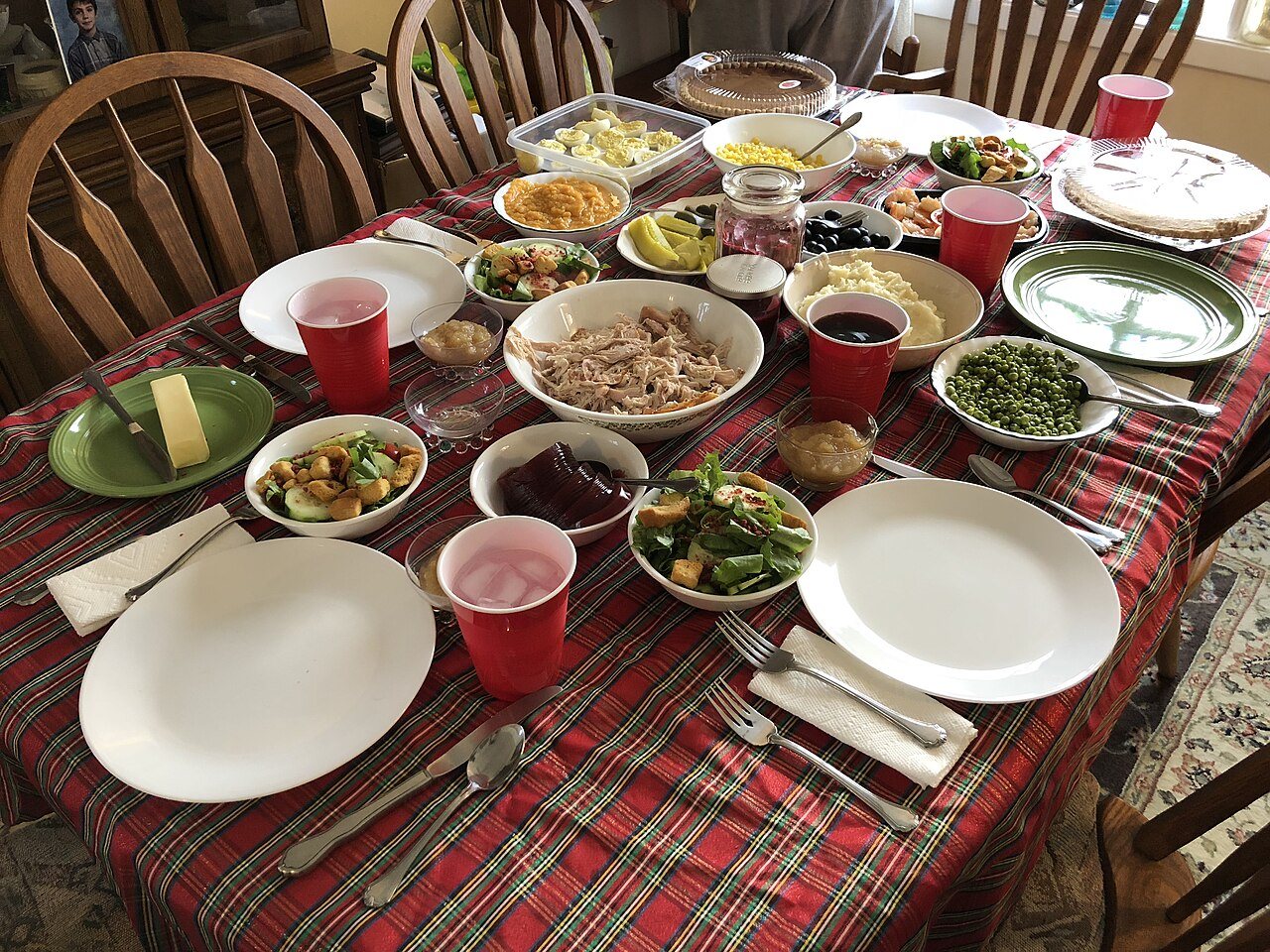
This is the rule people break most often on Thanksgiving, and I understand why. The turkey sits on the table through second helpings, then the pie comes out, and nobody wants to be the person clearing plates while the conversation is going well. My compromise is to put the leftovers away in two rounds. Turkey and gravy go in the fridge right after the main course, and the sides follow after dessert.
You don't need to wait for food to cool before refrigerating it. The USDA says hot food can go straight into the fridge, as long as you divide it up so it chills quickly.
Pack it small and shallow
A whole turkey carcass in the fridge takes a long time to cool in the middle. The USDA recommends carving the meat off the bone and storing it in smaller portions in shallow containers. The same goes for stuffing, which should never be left inside the bird.
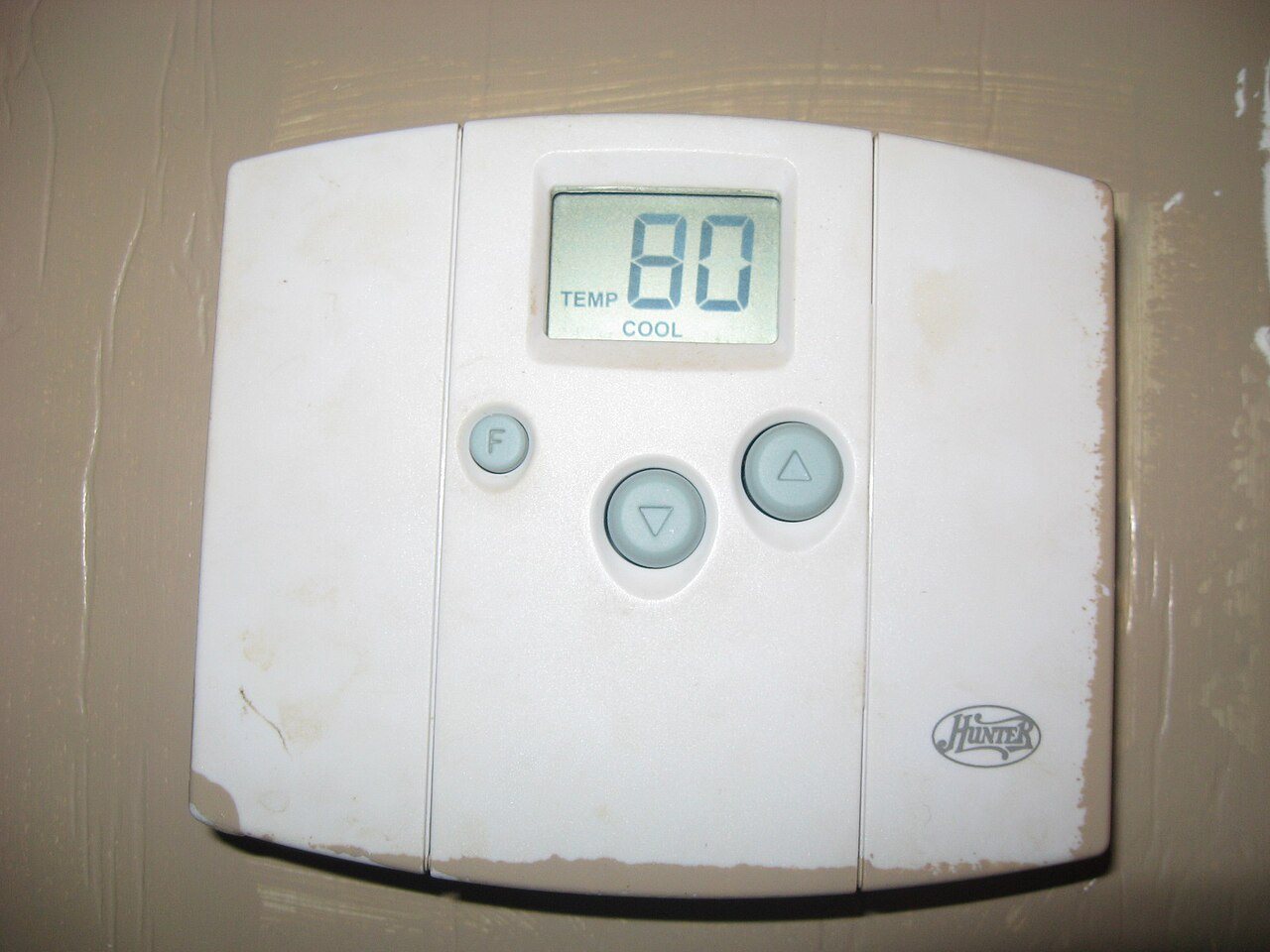
Your fridge should be at 40°F or below and your freezer at 0°F. If you don't have an appliance thermometer, they're cheap and worth having, because the dial inside most fridges doesn't tell you the actual temperature.
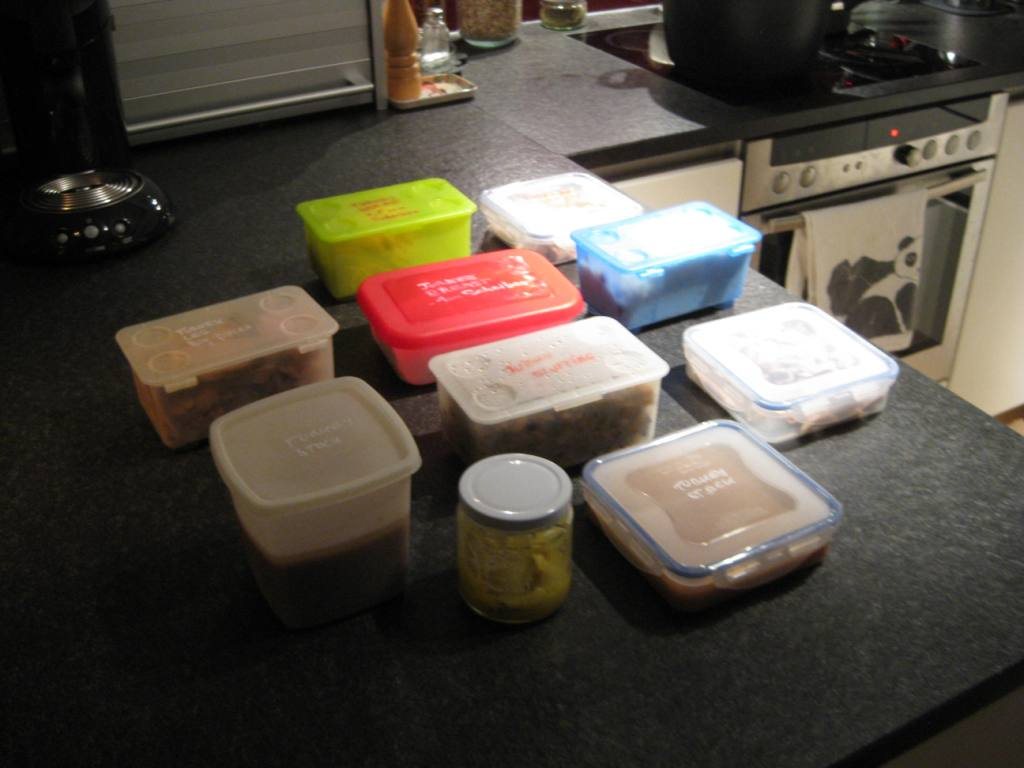
The photo at the top of this story is my ideal: everything in its own tub, lids labelled. I'm rarely that organised (I usually manage the labels for about half of them), but a strip of masking tape and a marker is all it takes, and writing the date on each lid will settle a lot of arguments later.
Three to four days in the fridge
This is the number to remember. The USDA says cooked leftovers kept in the fridge should be eaten within three to four days. For a Thursday dinner, that means Sunday or Monday is your cut-off.
It's tempting to judge leftovers by smell. The trouble is that the bacteria that cause food poisoning usually don't change how food looks or smells, so a container can seem fine and still make you ill. Go by the date, not your nose.
If you know you won't get through everything by Monday, freeze it early, on Friday or Saturday, rather than waiting until the last day. Food frozen while it's fresh tastes better when you thaw it.
Freezing what you can't finish
Turkey, stuffing, mashed potatoes, gravy, cranberry sauce and most cooked vegetables freeze reasonably well. Frozen food stays safe indefinitely at 0°F, according to the USDA, but the quality slowly drops, so aim to eat frozen leftovers within a few months.
I freeze turkey in meal-sized bags, some sliced and some shredded for soups and sandwiches. Pressing the air out of the bag helps with freezer burn. Gravy freezes well in small containers or even ice cube trays, which is handy when you only want a little.
To thaw, use the fridge, cold water or the microwave. You can also reheat many leftovers straight from frozen. Just don't thaw them on the counter.
Reheating without second-guessing
The USDA's target for reheated leftovers is 165°F in the thickest part. A food thermometer is the only reliable way to check, and it takes the guesswork out of whether the middle of a dish of stuffing is actually hot.
Sauces, soups and gravy should be brought to a rolling boil when you reheat them. If you're microwaving, cover the dish and stir partway through, because microwaves leave cold spots.
Turning leftovers into new meals
The best way to avoid waste is to plan for the leftovers instead of treating them as an accident. A few things that work in my kitchen, with no recipes needed: turkey soup made from the carcass, turkey sandwiches with cranberry sauce, mashed potatoes formed into patties and fried, and roast vegetables blended into a soup or folded into an omelette.
According to the USDA, somewhere between 30 and 40 percent of the US food supply is wasted. Not all of that is at home, but a lot of it is, and holiday leftovers are an easy place to make a dent.
If you're ever unsure about a specific food, the USDA's free FoodKeeper app lists storage times for hundreds of items, and its Meat and Poultry Hotline (1-888-674-6854) takes questions, including on Thanksgiving Day itself. And if you've cooked for a crowd, it's fine to send people home with a container or two. Just tell them the four-day rule when you hand it over.
Enjoyed this story?Get a new one every day on social.