Photo: Famartin, CC BY-SA 4.0, via Wikimedia Commons
Thanksgiving falls on November 26 this year, which gives anyone hosting 20 days. That's the sweet spot. It's late enough that you know roughly who is coming, and early enough that you aren't standing in a packed store on the Tuesday before, paying whatever the shelf says for the one can of pumpkin left.
Most of the money on this meal gets spent through panic, and through cooking for a much bigger crowd than the one that shows up. I'd bet on the second one being the more expensive problem. So this is a plan for the next three weeks, and it's meant as general household advice, not personal financial advice.
Count the people who will really eat
Start with a real headcount, then split it into adults, big eaters and small children. It sounds fussy. It takes about four minutes, and everything else follows from it.
Turkey is where the math matters most. Butterball's rule of thumb is about a pound per guest, and Food Network suggests a pound and a half to two pounds, allowing for bones. I land in the middle, and only go to the high end if I want sandwiches on Friday. If your group is small, a boneless breast at around 8 ounces a person is a perfectly respectable answer, and it saves you buying a bird that will haunt your fridge until December.
Write the menu before the list
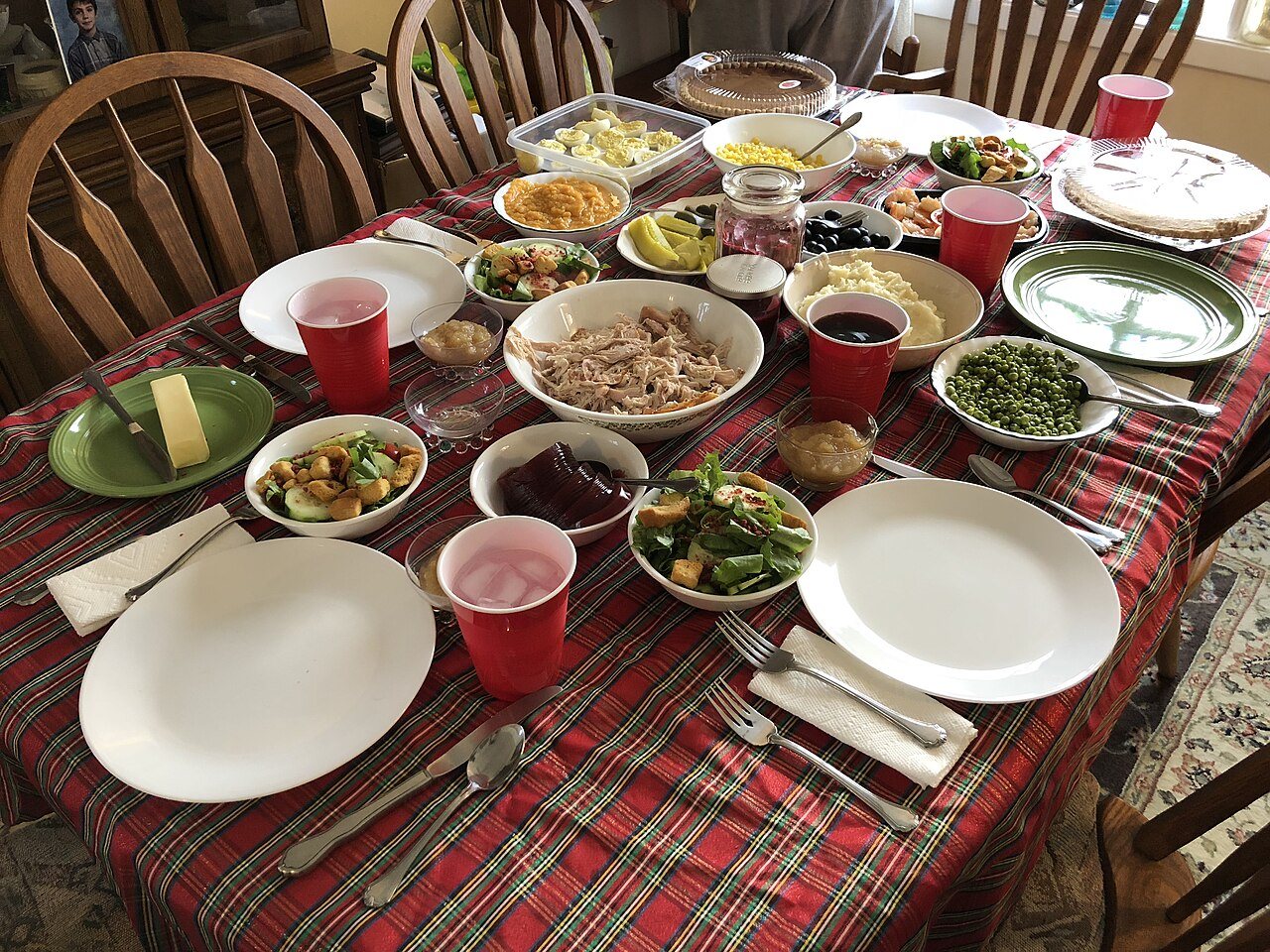
Write down every dish, then go through and ask who would notice if it vanished. In most families there is at least one dish that gets made because it has always been made, and goes back in the fridge barely touched. (If you're not sure which dish that is, look for whatever is still full at the end of the night.)
Cutting one or two sides does more for the budget than any coupon, because each side brings its own small pile of ingredients, some of which you'll use once. Fewer dishes also means fewer pans, which is the sort of saving you only appreciate at 9 p.m.
Shop in two waves
Your first trip should happen in the next week or so, and it should cover everything that keeps: stock, canned pumpkin, flour, sugar, spices, onions, potatoes, butter for the freezer. Check your cupboards first. Holiday baking spices are the classic waste, since a lot of us buy a new jar every November because we can't remember where last year's went.
The second trip is for what won't keep, like fresh herbs, salad things and cream, and it belongs in the last few days before the meal. Go early on a weekday if your schedule allows it. Stores tend to be calmer then, and you're less likely to fill the cart out of pure irritation.
Compare store brands while you're there. For stock, canned vegetables, flour and sugar, few guests could pick the name brand out of a lineup, and once it's in a casserole, nobody can.
Buy the turkey when the stores want you to
Many supermarkets use turkey as a loss leader in November, pricing it low to get you in the door and hoping you'll buy everything else there too. Some tie the best price to a minimum spend, so read the small print in the weekly flyer before you plan around it.
You can take the deal and walk out with only the turkey and what's on your list. A frozen bird stays safe indefinitely, so buying early carries no risk as long as you have the freezer space. The part to plan is the thaw: allow about one day in the fridge for every 4 to 5 pounds, which means a 16-pound turkey needs three to four days. Set a reminder. Nothing ruins a budget faster than a rock-solid turkey on Thursday morning and a family asking about takeout.
Share the cooking without making it weird
A potluck is the single biggest saving available to you, and most guests are relieved to be asked. They want to bring something. The trick is to assign dishes when you invite people, so you don't end up with three green bean casseroles and no rolls.
Keep the turkey and one or two signature dishes for yourself, and hand out the rest. Wine, dessert and bread are easy to delegate, and they happen to be some of the pricier items on the list. If someone doesn't cook, ask them for ice, drinks or a bag of clementines. Everybody gets a job, and nobody has to feel awkward.
Plan the leftovers before there are any
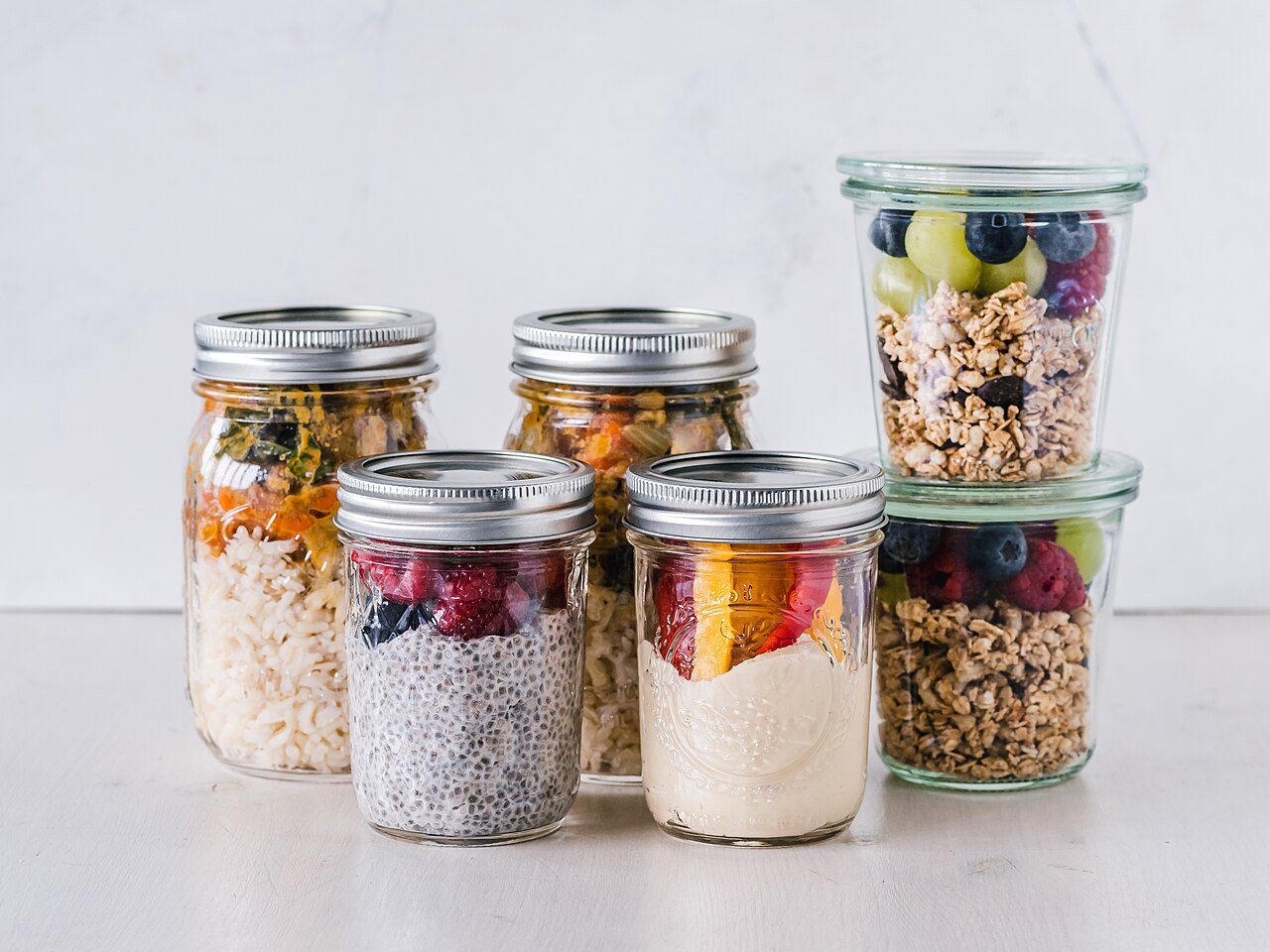
Leftovers are where the money either gets recovered or thrown out. Have containers ready before dinner, and put food in the fridge soon after the meal instead of letting it sit out through the football. Most leftovers keep three or four days in the fridge by the usual USDA guidance, and they keep far longer in the freezer. Portion out what you won't eat by Monday.
The carcass makes stock, which is a free ingredient for December soups. Offering guests a container to take home is kind, and it also solves the problem of too much stuffing.
If you do just two things this week, make the headcount and cross one dish off the menu. The rest of the plan is easier once those are done.
Enjoyed this story?Get a new one every day on social.