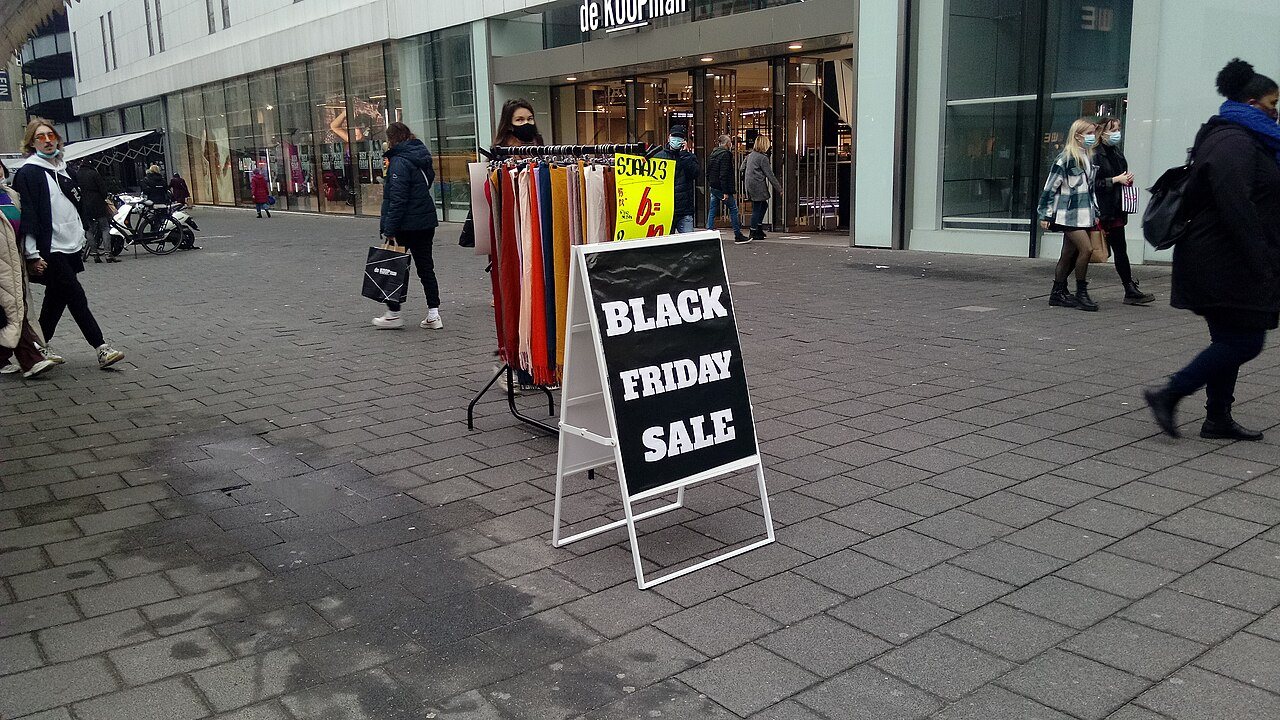
Every year around Thanksgiving, the same argument starts in a lot of households. One person wants the smell of a real fir in the living room. The other points at the box in the garage, or at the price of the box they have not bought yet.
Both sides have a point, and the right answer depends less on taste than on how long you plan to keep things. An artificial tree is a one-time purchase spread over years. A real tree is a small, repeated cost with a few chores attached.
These are the questions I would sort out before the tree lots open and the store aisles fill up. (This is general shopping guidance, not advice tailored to your budget.)
Start with the cost-per-year math
The comparison is simple once you set it up properly. Take the price of the artificial tree you are looking at, add anything extra it needs (a new stand, replacement light strings, a storage bag), and divide by the number of years you honestly expect to use it. Then compare that figure with what a real tree of the same size costs you each year, including the stand, any delivery fee and the gas to go get it.
The word doing the work there is "honestly." Plenty of artificial trees get replaced after a few seasons because the lights fail, a hinge cracks, or the family moves somewhere with lower ceilings. If you tend to replace things often, the fake tree's advantage shrinks fast. If you are the type who still uses the same cooler from 2009, it can work out well.
What to check on an artificial tree
Most artificial trees are made from PVC plastic, and a growing number use molded polyethylene (often labeled PE) for some or all of the branch tips. PE tips are shaped from molds of real branches and usually look more convincing up close; trees that mix PE in front with PVC filler inside are a common compromise.
Beyond looks, a few details decide whether a tree lasts. Hinged branches that fold down are much easier to set up and store than branches you hook in one by one. A sturdy metal stand matters more than people expect, especially with pets or small children around.
Pre-lit trees save a lot of untangling, but the lights are usually the first thing to go. Look for LED lights, which run cooler and use less electricity than incandescent mini-lights, and check that the tree carries a mark from a recognized testing lab such as UL or ETL. A "fire resistant" label on the tree itself is worth having too, though it means the material resists catching fire, not that it cannot burn.
Finally, measure your storage space before you buy. A seven-foot tree comes in a box that has to live somewhere for eleven months of the year.
What to look for in a real tree
On a lot, run a branch through your hand. Needles on a fresh tree should bend rather than snap, and only a few should come off. Lift the tree a few inches and drop the trunk gently on the ground; a shower of green needles is a bad sign (a few brown inner needles falling out is normal).
Species matter for more than looks. Firs such as Fraser, noble and balsam are known for holding their needles well. Spruces have a classic shape but tend to drop needles faster once they dry, and some have sharp needles that make decorating a little less fun.
Check the trunk height against your stand and your ceiling before you pay, and leave room for a topper. Most lots will make a fresh cut on the base for you, which helps the tree take up water.
Keeping a real tree safe and green
A cut tree drinks a lot, especially in the first week. Put it in water as soon as you get home, and check the stand every day; if the water drops below the base of the trunk, the cut can seal over with sap and the tree stops drinking. Extension services commonly suggest a stand that holds about a quart of water for every inch of trunk diameter.
Keep the tree away from fireplaces, radiators, space heaters and heating vents, which dry it out quickly. The US National Fire Protection Association warns that a dry Christmas tree can catch fire and burn very fast, so turn off tree lights when you go to bed or leave the house, and take the tree down once it is shedding heavily, even if the holidays are not quite over.
The environmental question, briefly
People ask which option is greener, and the answer depends on whose study you read. A widely cited 2009 life-cycle analysis by the Montreal consulting firm Ellipsos concluded that an artificial tree would need to be kept for around 20 years to match a real tree on climate impact. A 2018 study commissioned by the American Christmas Tree Association, an artificial-tree industry group, put the break-even point much lower, at around five years.
What both approaches agree on is that the number of years you keep an artificial tree is the main factor. For real trees, disposal matters: many towns collect them after the holidays and turn them into mulch, while artificial trees are generally not accepted in curbside recycling.
How to decide this weekend
If you expect to keep an artificial tree for many years, have the storage space, and someone in the house has allergies or simply hates vacuuming needles, an artificial tree makes sense. Spend on a sturdy stand and decent branches rather than on the most lights.
If you move often, love the smell, or only want a tree some years, buy real and budget for it as an annual expense. Either way, measure your ceiling height and your stand's opening at home before you shop. Finding out on the lot that the trunk will not fit is an annoying way to spend a Saturday (ask anyone who has tried to whittle a trunk down with a kitchen knife).
Enjoyed this story?Get a new one every day on social.