Every November I get some version of the same question from friends standing in a store, phone in one hand, two puffy jackets in the other. One says 800 fill. The other says it has synthetic insulation and costs noticeably less. They look almost identical on the hanger. Which one?
The short answer is that it depends on where you live and what you do outside, and the longer answer is mostly about reading the label properly. A good winter jacket can easily last a decade, so it's worth ten minutes of homework before you pay for one.
This is a general buying guide, not a pitch for any brand, and I'm not linking to any stores.
What fill power measures
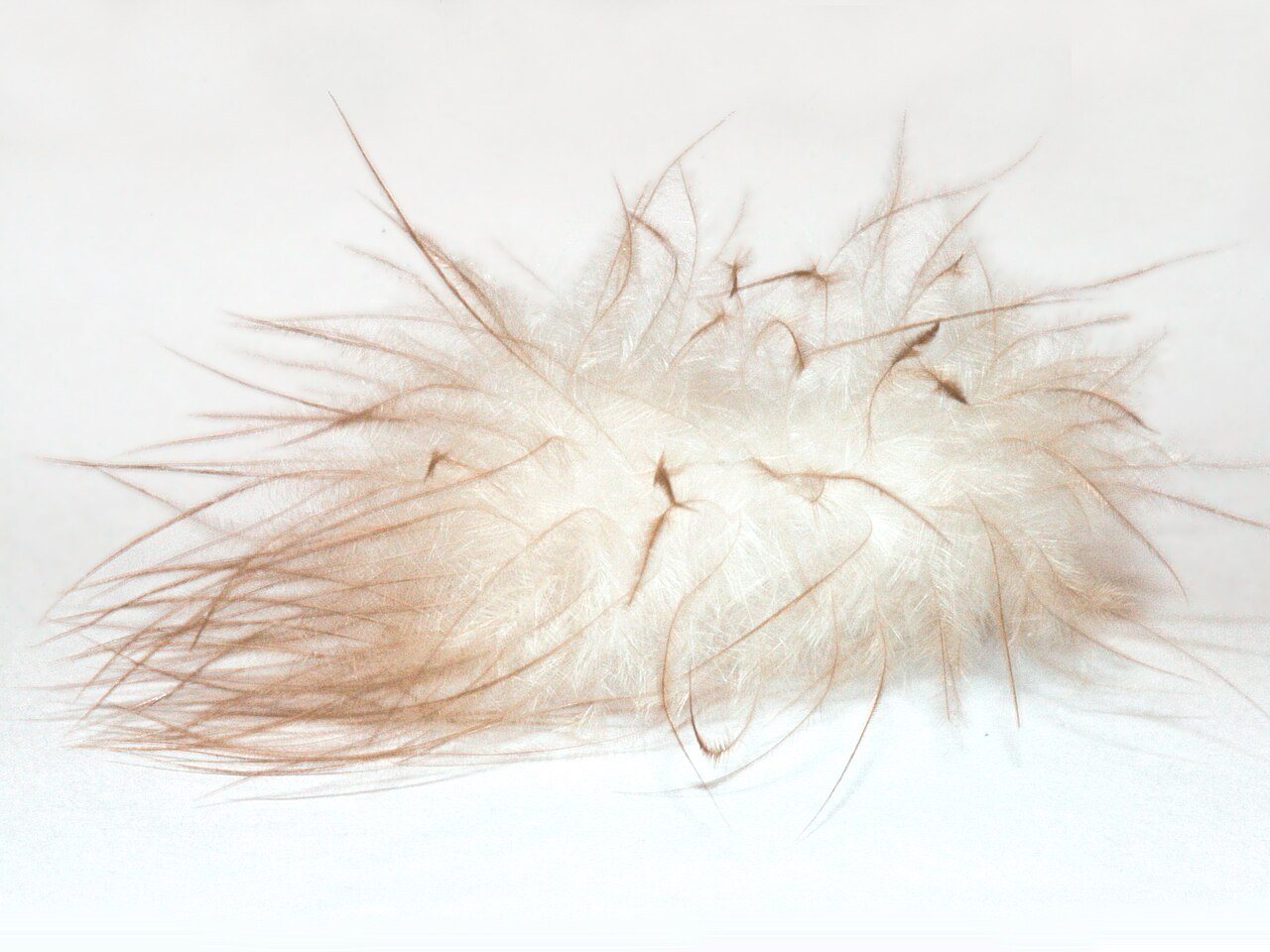
Down is the soft under-layer of a duck or goose, the clusters that sit beneath the outer feathers. It isn't a feather in the usual sense, which is why it traps so much air for its weight.
Fill power measures how much space one ounce of that down takes up when it's allowed to fluff out, in cubic inches. An ounce of 800-fill down lofts to about 800 cubic inches. Higher numbers mean larger, better clusters, so you get the same warmth from less weight, and the jacket packs down smaller. Most jackets you'll see sit somewhere between about 550 and 900.
The part most shoppers miss is that fill power tells you the quality of the down, not how much of it is in the jacket. A thin 850-fill jacket can be colder than a puffier 650-fill one simply because it holds less down. That second number, fill weight, is listed by some makers and missing from plenty of others. If you can find it, compare it. If you can't, squeeze the jacket and look at how thick the baffles are when it's hanging up.
You'll sometimes see a ratio like 90/10 as well. That's the split between down clusters and small feathers. More down is better, and 90/10 or 80/20 is typical for a decent jacket.
Synthetic insulation and its one big advantage
Synthetic insulation is made from fine polyester fibers built to imitate down's loft. It is heavier and bulkier than down for the same warmth, and over years of being stuffed into bags it tends to lose its loft sooner than good down does.
What it does well is cope with moisture. Down that gets soaked clumps together and stops insulating until it dries, which can take a long time. Synthetic fill keeps a fair amount of its warmth when damp and dries faster. Some down is now treated to be water resistant ("hydrophobic down" on the label), which helps in drizzle, but it isn't waterproof and I wouldn't count on it in a real downpour.
Synthetic jackets are usually cheaper, easier to wash and fine for people who don't want animal products. Some jackets mix the two, putting synthetic fill in the shoulders and cuffs where rain and sweat hit first and down in the body.
How the stitching changes the warmth
Look at how the puffy sections are made. Most everyday jackets use sewn-through baffles: the outer and inner fabric are stitched straight together to make each tube. It's light and cheaper to produce, but there's no insulation along the stitch lines, and those lines can feel cold in a hard wind.
Warmer jackets built for serious cold often use box baffles, with small fabric walls between the layers so the insulation runs continuously. They cost more and you'll mostly find them in expedition-style coats. For a city winter, sewn-through is usually fine.
Check the shell too. A tightly woven nylon or polyester outer with a water-repellent finish (often labeled DWR) will shed light snow and keep down from poking through.
The ethics label worth looking for
If you're buying down, look for a certification such as the Responsible Down Standard, run by the nonprofit Textile Exchange. It's meant to confirm the down didn't come from birds that were live-plucked or force-fed. Recycled down, cleaned and reused from old bedding and garments, is also more common than it used to be. Neither is a perfect guarantee, but both are a lot better than a label that says nothing.
Matching the jacket to your winter
Cold and dry, with the odd snow day? Down gives you the most warmth for the weight and will usually outlast a synthetic jacket if you look after it. Wet and mild, like a lot of coastal cities, or you're the kind of person who walks fast and sweats under a coat? Synthetic will probably serve you better, or a down jacket with a separate waterproof shell over it.
I'd also think about cost per wear. A pricier jacket that you wear most days for ten winters can work out cheaper than a bargain one you replace every two or three. That's just arithmetic, not advice on what you should spend, and only you know your budget.
Keeping it warm for years
Most of the damage to down jackets happens at home. Wash a down jacket rarely, in a front-loading machine, with a detergent made for down, then tumble dry it on low with a couple of clean dryer balls or tennis balls to break up the clumps. It takes a long time to dry properly (several cycles is normal), and putting it away damp is how you get a sad, smelly jacket.
Synthetic jackets are simpler: a gentle cycle with mild detergent, no fabric softener, low heat. For both kinds, store them hanging up or loosely folded over summer rather than crushed in a stuff sack. Insulation that stays compressed for months doesn't always bounce back.
If your current jacket has gone flat, try a proper wash and a long tumble dry before you replace it. You might be surprised how much loft comes back.
Enjoyed this story?Get a new one every day on social.