Photo: HaJunkiyada, CC BY-SA 4.0, via Wikimedia Commons
The American Farm Bureau Federation released its annual Thanksgiving dinner survey today, November 18, and the number that matters is $58.63. That is the average price of a classic holiday meal for 10 people in 2026, or about $5.86 a head.
It is a little over 6% more than last year. The Farm Bureau's own economists point out that this is the first year-over-year increase in the survey since 2022, when the same meal hit a record $64.05. So the bill is going up again, though it is still about $5.42 below that peak.
The biggest single driver is the bird. A 16-pound frozen turkey averaged $23.68 in this year's survey, roughly $1.48 a pound and about 10% more than in 2025.
What the survey actually measures
This is the 41st year the Farm Bureau has run the survey, and the method is simple. Volunteer shoppers in all 50 states and Puerto Rico check prices at their local grocery stores during the first week of November, for the same fixed shopping list every year.
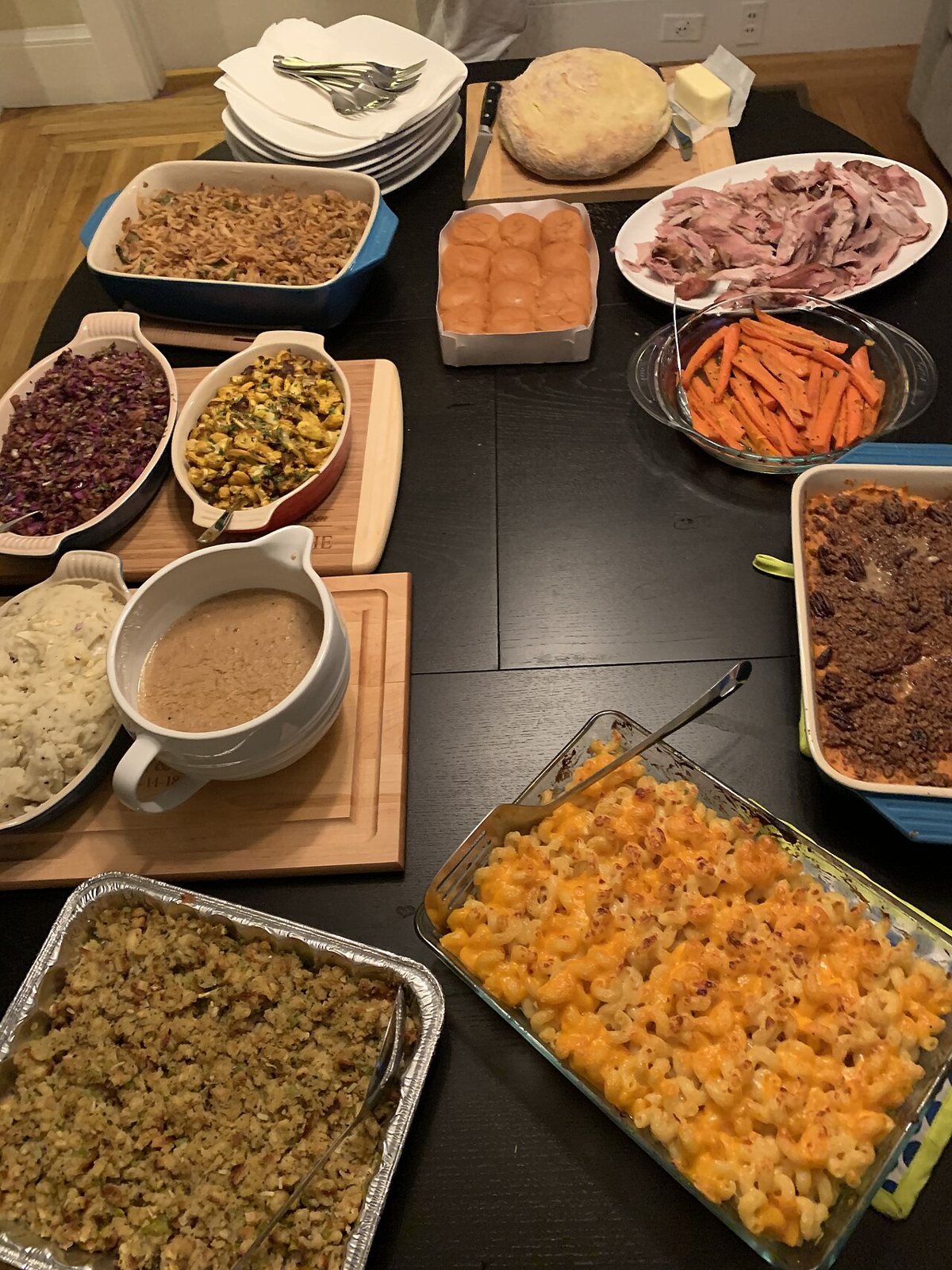
The list is the classic menu: a turkey, cubed stuffing, sweet potatoes, dinner rolls, frozen peas, fresh cranberries, a small veggie tray of celery and carrots, pumpkin pie mix, two pie crusts, whipping cream and a gallon of whole milk, plus a few miscellaneous baking ingredients.
It is not a scientific price index (the Farm Bureau says as much), and it will not match your own receipt. But because the list barely changes from year to year, it is a decent way to see which direction holiday food prices are moving.
The turkey, the milk and the cranberries
Turkey, milk and cranberries posted some of the largest increases this year. The Farm Bureau tied the turkey price to strong demand, tight inventories and higher production costs while the national flock recovers.
Whole milk rose 8.6% to $4.05 a gallon, which the Farm Bureau linked to growing demand for powdered protein made from milk. A 12-ounce bag of fresh cranberries was up 8.8% to $2.48, with higher fuel costs for harvesting and transport named as a factor. Dinner rolls rose 7% to $3.81 for a dozen, and sweet potatoes were up 5% to $4.20 for three pounds.
Cubed stuffing mix ($3.91) and pumpkin pie mix ($4.24) also cost a bit more.
A few things got cheaper
Not everything went up. The veggie tray fell 3.7% to $1.31, the biggest percentage drop on the list. The two frozen pie crusts dropped 2.7% to $3.28, frozen peas slipped 2% to $1.99, and the half pint of whipping cream eased 1.6% to $1.84.
Part of the explanation is wheat. Low wheat prices have helped keep a lid on some flour-based items, according to the Farm Bureau, and the veggie tray may simply be bouncing back after weather and disease problems pushed prices up in earlier years.
Where you live changes the bill
The survey also breaks the total down by region, and the spread is wider than I expected. The South came in cheapest at $54.33 for the classic meal. The Midwest was $56.89, the West $58.74, and the Northeast the most expensive at $61.57, roughly 5% above the national average.
If you host a bigger crowd, or a pickier one, there is also an expanded menu that adds a boneless ham, russet potatoes and frozen green beans. That pushes the national total up by $23.09, to $81.72, with a range from $76.91 in the South to $86.62 in the Northeast.
Why farmers are not getting rich off this
It is tempting to assume a pricier turkey means a happier turkey farmer. The Farm Bureau argues the opposite. Its economists point to record diesel costs, high fertilizer prices, farm labor costs, and rising rent and electricity bills, and they cite the U.S. Department of Agriculture's estimate that less than 6 cents of every food dollar goes back to the farm.
"The overall increase in our annual survey reflects the rising costs of getting food from the farm to your dinner table," said Faith Parum, the Farm Bureau's deputy chief economist. The Farm Bureau is, of course, a farmers' organization, so you would expect it to make that case. The USDA figure on the farm share is worth knowing either way.
How to use these numbers for your own dinner
For most households the useful part is the shape of the list, not the exact total. A few practical points come straight out of this year's figures (general information, not personal financial advice):
The turkey is more than a third of the classic meal's cost, so that is where shopping around pays off. Many grocery chains run turkey promotions in the final week or two before Thanksgiving, and a frozen bird bought early keeps fine in the freezer.
Side dishes built on flour and frozen vegetables held steady or got cheaper this year, so leaning on stuffing, rolls, peas and pies is a reasonable way to stretch the table without stretching the bill. Cranberries and milk are the items to watch if you are trying to hit a number.
And if you are splitting the cost with family, $5.86 a person is a handy benchmark for a potluck conversation. Your actual figure will probably be higher once you add drinks, a second pie and whatever your uncle insists on bringing, but it gives everyone a fair starting point.
Enjoyed this story?Get a new one every day on social.