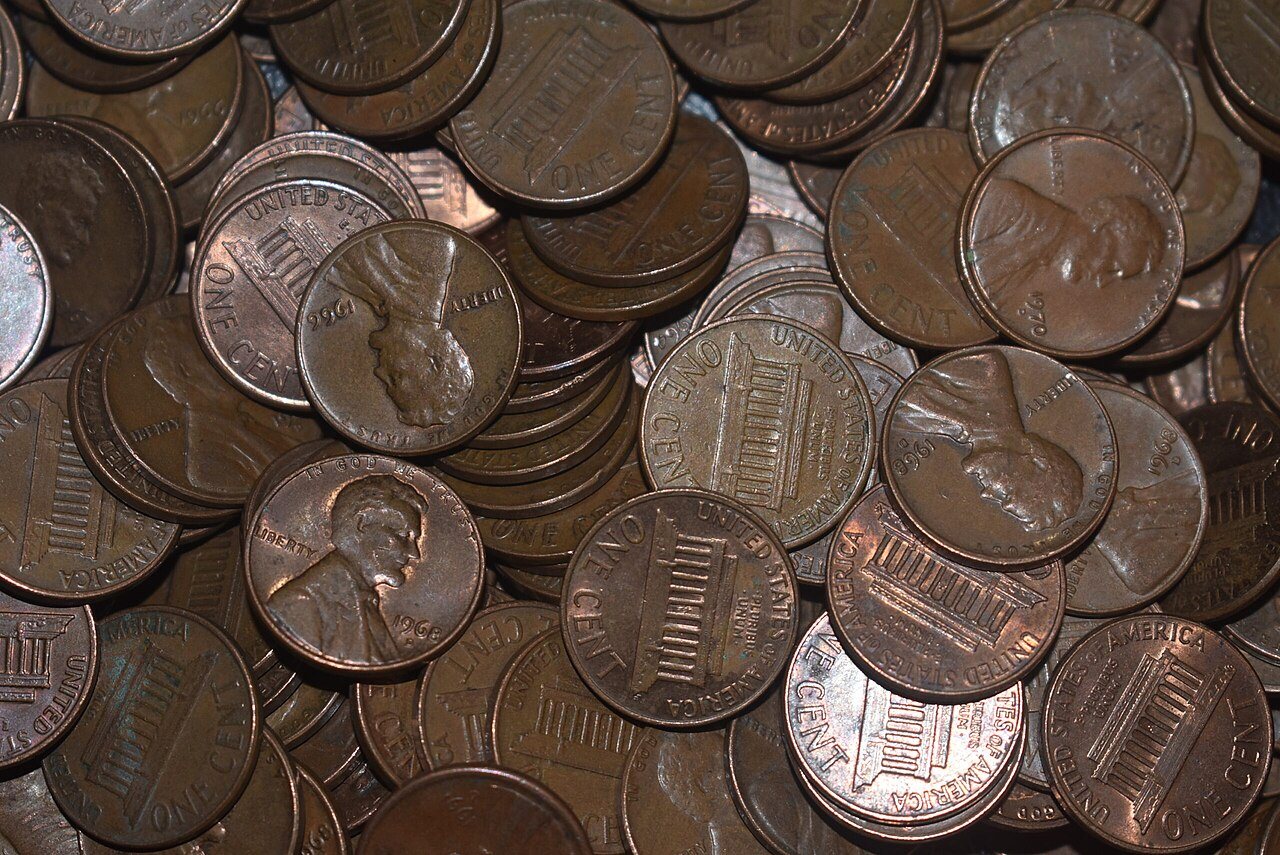
Photo: Phillip Pessar, CC BY 2.0, via Wikimedia Commons
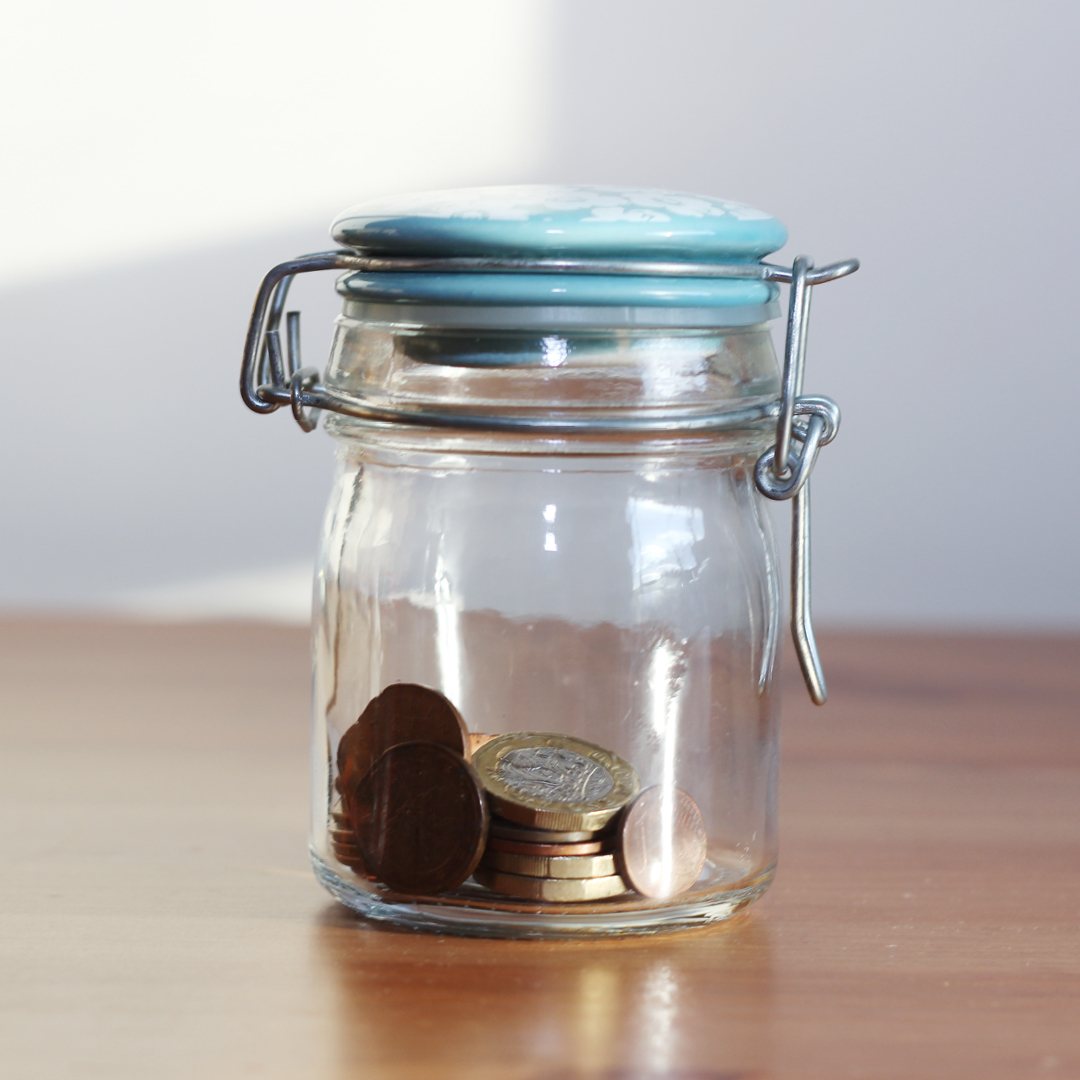
Most households have one. A mug on the dresser, an old pickle jar on a closet shelf, a cup holder in the car that stopped holding cups years ago. Coins go in, nothing comes out, and the jar slowly gets heavy enough that moving it becomes a two-handed job.
That jar is money you already earned, sitting somewhere it can't pay a bill or earn a cent of interest. Mid-November is a good time to deal with it. Holiday spending is close, and a jar of mixed change can hold more than people guess, especially if quarters have been going in with everything else.
The catch is that turning coins into usable money can cost you. Here's how to do it cheaply, or for free.
Sort before you do anything else
Tip the jar onto a towel (the towel stops coins from rolling under the couch, which they will) and pull out anything that isn't regular U.S. currency. Foreign coins, tokens, buttons and the odd earring tend to end up in coin jars, and most counting machines reject foreign money anyway.
While you're sorting, look at the dates on dimes, quarters and half dollars. Ones dated 1964 or earlier are 90% silver and are usually worth more than face value for their metal alone. Set those aside rather than feeding them into a machine. They're not a fortune, but they shouldn't be spent as dimes either.
Roll them yourself for a free bank deposit
The cheapest route is the oldest one. Paper coin wrappers are inexpensive and sold at most office supply stores, and some banks give them to customers. A standard penny roll holds 50 coins ($0.50) and a dime roll holds 50 ($5). Nickel and quarter rolls each hold 40, which works out to $2 and $10.
Write your name and account number on each roll if your bank asks for it. Many banks and credit unions will take rolled coins as a deposit at no charge for account holders, though policies vary, so call or check your branch's rules first. Some still have free coin-counting machines in the lobby for members, though a lot of those machines have been taken out over the years.
If your bank won't take loose change and you don't have an account anywhere that will, ask at a credit union near you. Some only count coins for members, but joining is often cheap, and a credit union account is worth having for other reasons. It's one phone call, and it may save you the kiosk fee for good.
Rolling coins is tedious, I won't pretend otherwise. It's also a decent job to hand to a kid who wants to earn a share of the total, and it's the only method that reliably turns every cent into a cent.
Kiosks: read the screen before you pour
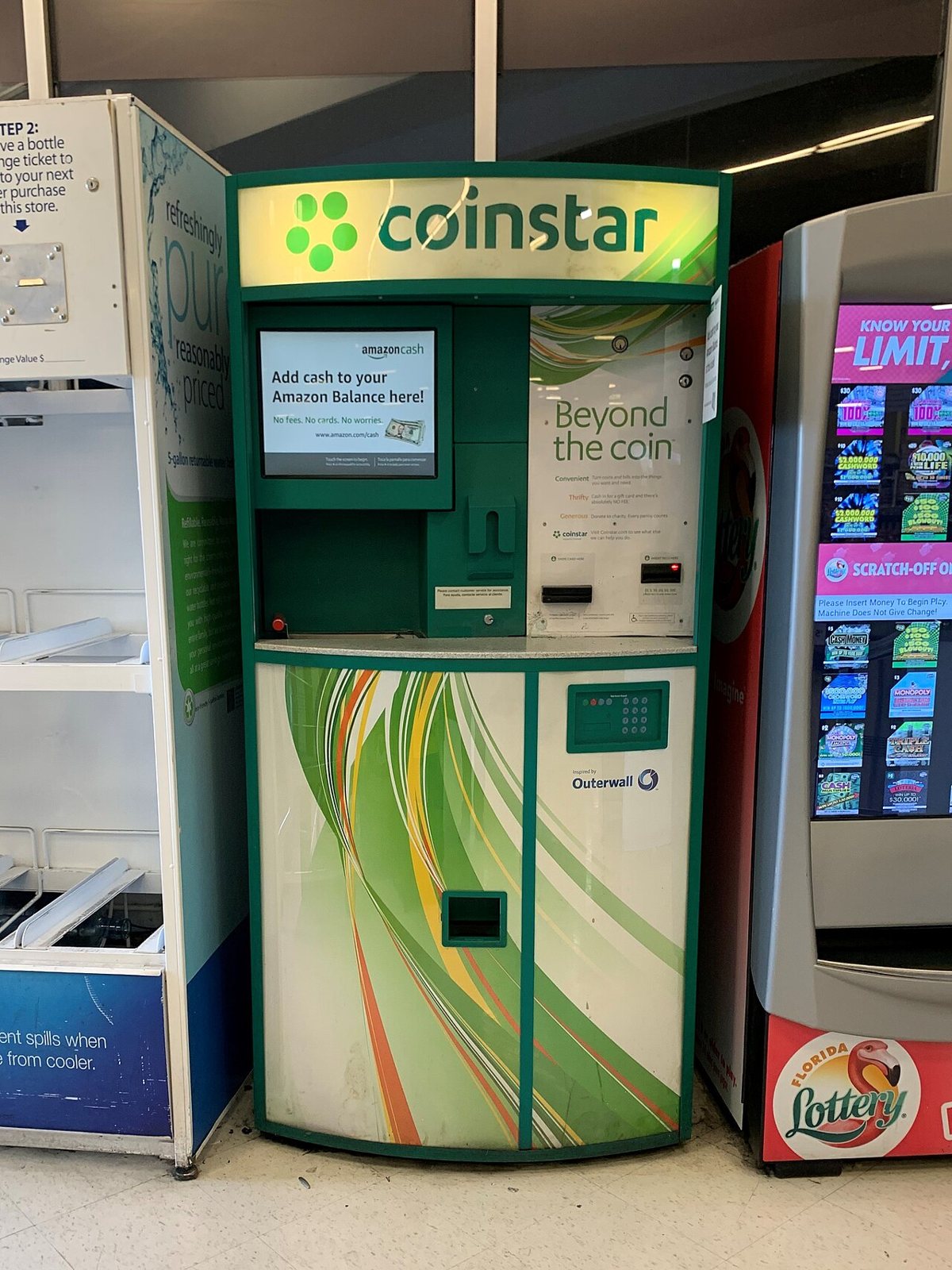
Coin-counting kiosks, like the one in the photo above, are the quick option. You pour the coins in and the machine counts them in a minute or two. If you take cash, though, the kiosk keeps a percentage of the total as a fee. The rate varies by location and changes over time, and the machine shows it on screen before you start, so read it before you pour.
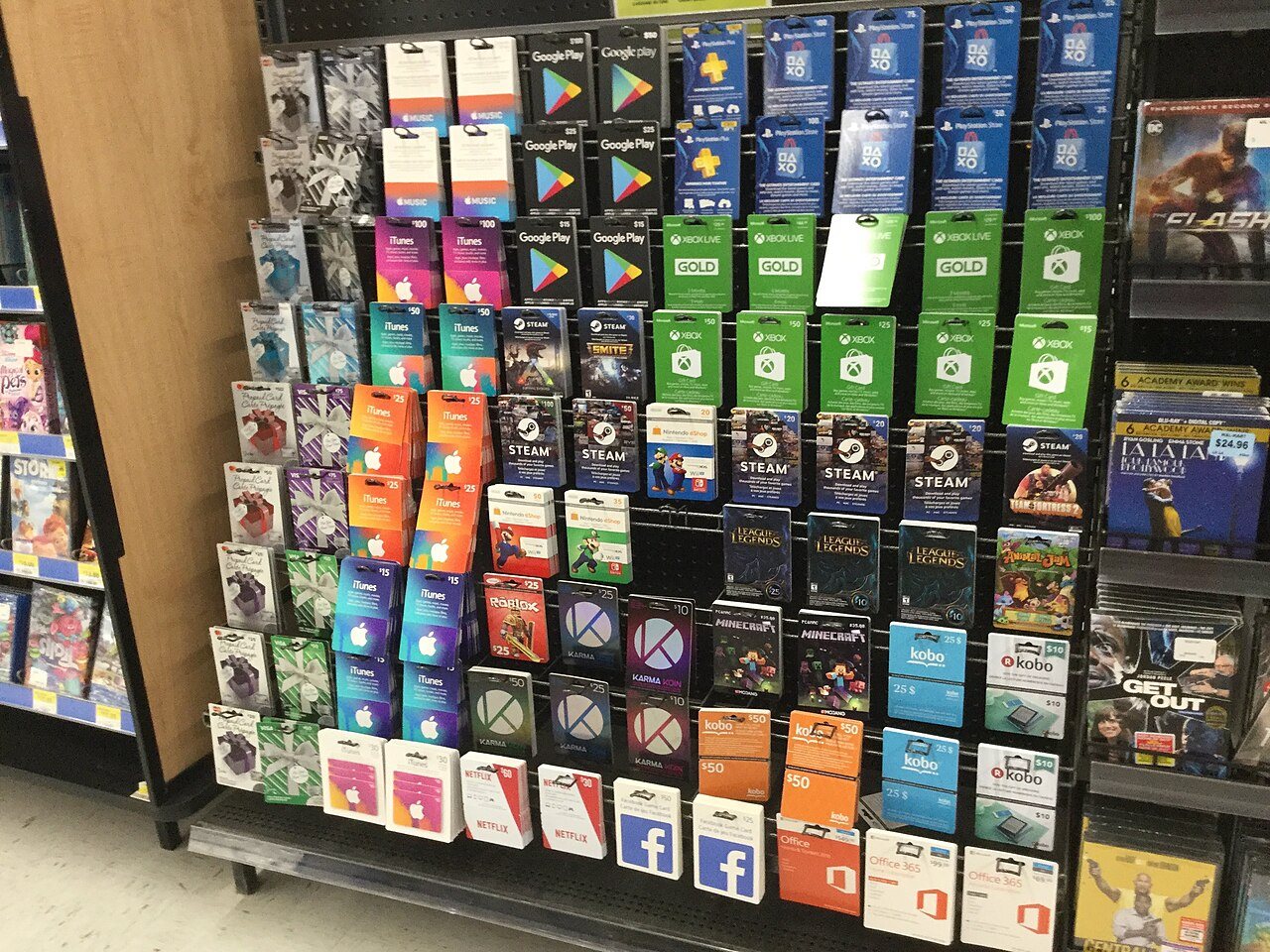
Most kiosks also offer a no-fee option: take the full value as an eGift card for a list of retailers, or add it to an online account balance. If you were going to spend the money at one of those stores anyway, that's a fee-free conversion. If you weren't, the "free" version can push you into shopping somewhere you didn't plan to, which isn't really free. You can usually donate the total to a listed charity, too.
The coin shortage reason to empty the jar
There's also a bigger-picture argument for getting coins moving. When the pandemic hit in 2020, coins stopped circulating normally because stores closed and people stayed home, and the Federal Reserve set up a U.S. Coin Task Force to get change flowing again. Shops put up signs asking customers to pay with exact change or a card.
The Fed's message then was simple: a lot of the country's coins are sitting idle in jars and drawers. Emptying yours won't fix anything on its own, but it does put money back where it can be used, and that includes your own wallet.
Give the money a job
This is where most coin jar stories end badly. You cash in $60 or $80, it goes into your checking account, and three weeks later nobody can say where it went.
Decide before you deposit it. If you carry a credit card balance, an extra payment is hard to beat. Otherwise a holiday gift fund or an emergency fund top-up both make sense, and if you keep a separate savings account for specific goals, move the money there the same day.
And then put the jar back. If spare change keeps going in, set a date to empty it every few months. (I'd suggest the week before a holiday you know will be expensive.) This article is general information, not personal financial advice, but a jar that gets emptied on a schedule is a pretty low-risk savings plan.
Enjoyed this story?Get a new one every day on social.